How Seasonal Trends Affect Business Strategy in Iowa


Understanding Seasonal Trends in Iowa
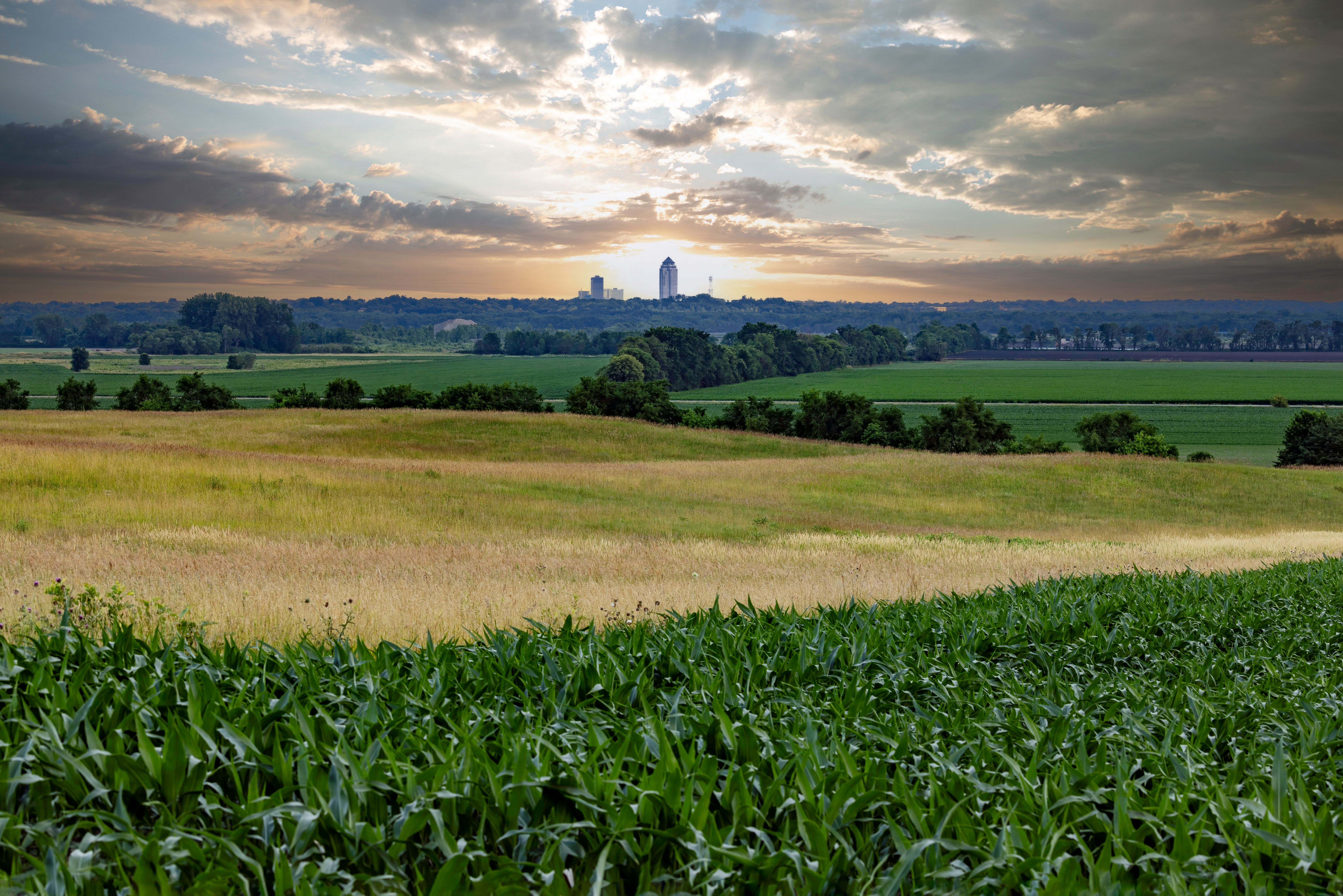
Iowa, known for its rich agricultural heritage and diverse economy, experiences distinct seasonal changes that can significantly impact business strategies. The state's climate and seasonal patterns influence consumer behavior, supply chains, and operational efficiency. Companies must adapt to these changes to remain competitive and thrive.
Impact on Consumer Behavior
In Iowa, seasonal trends directly affect consumer purchasing habits. For instance, during the winter months, there is an increased demand for heating equipment, winter clothing, and holiday-related products. Conversely, in the summer, outdoor recreational items and agricultural supplies see a spike in sales. Understanding these patterns allows businesses to tailor their marketing strategies effectively.
Retailers often adjust their inventory and promotional efforts based on these seasonal demands. A strategic approach to inventory management can prevent overstocking or stockouts, ensuring that businesses meet customer needs efficiently.
Influence on Agriculture and Production
As a leading agricultural state, Iowa's farming activities are heavily influenced by seasonal changes. Spring planting and fall harvest seasons are critical periods for farmers. Weather conditions during these times can affect crop yields, subsequently impacting supply chains and pricing strategies for agricultural businesses.
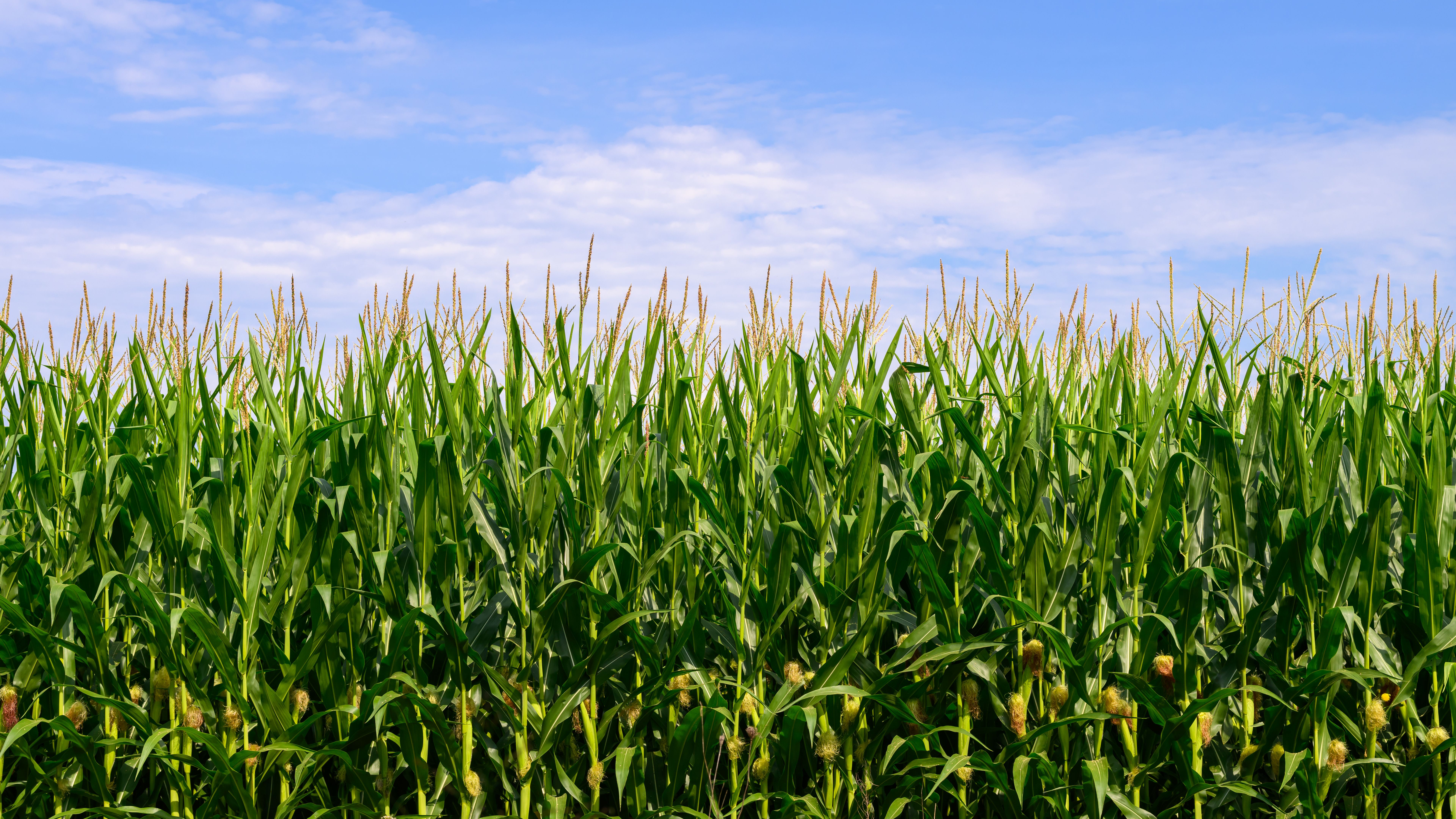
Manufacturers tied to agriculture must plan production schedules around these crucial periods. By aligning production with agricultural cycles, businesses can optimize their operations and reduce waste, thereby improving profitability.
Adapting Marketing Strategies
Marketing strategies in Iowa should reflect the seasonal preferences of consumers. For example, during the summer, campaigns promoting local festivals, outdoor events, and seasonal produce can attract more customers. Utilizing local themes and seasonal imagery in marketing materials can create a stronger connection with the target audience.
Digital marketing efforts should also be adjusted to align with seasonal trends. Search engine optimization and social media campaigns can focus on seasonal keywords to improve visibility and engagement.

Challenges and Opportunities
While seasonal trends present challenges, they also offer opportunities for innovation and growth. Companies that proactively adapt to these changes can gain a competitive edge. Leveraging technology, such as data analytics, can provide insights into consumer behavior and help predict future trends.
Businesses can also explore new product lines or services that cater to seasonal demands, such as offering seasonal menus in restaurants or creating limited-time product offerings.
Conclusion
Understanding and adapting to seasonal trends in Iowa is crucial for businesses aiming to succeed in a dynamic environment. By aligning strategies with seasonal changes, companies can enhance their resilience, optimize operations, and capture new market opportunities. As the seasons change, so too should the strategies that businesses employ to meet the evolving needs of their customers.